Le territoire forestier particulièrement escarpé du panda roux a longtemps compliqué les études sur son mode de vie. De plus, ses habitudes nocturnes et sa discrétion augmentent la complexité de la mise en place de suivi des individus. Mais ces dernières années, l’évolution des technologies de terrain ainsi que l’intérêt pour la protection de l’espèce par les gouvernements et ONG ont permis aux chercheurs de belles avancées, nous apportant un éclairage sur la vie secrète du panda roux.
Red panda territory
Grâce aux relevés réguliers d’images de caméra trappes et surtout aux suivis d’individus par colliers GPS (newsletter CPPR printemps 2022) , il est désormais évident et plutôt systématique que les pandas roux évitent toute interaction avec les infrastructures et activités humaines.
Notons que la plupart des études ont été réalisées à l’est du Népal, sur une zone qui abriterait 25 % de la population de pandas roux du pays.
So… How do they live in the wild?
La taille du territoire varie en fonction de la qualité de la forêt : plus elle est dense et riche en feuillages, moins il est étendu. Les pandas roux sont solitaires et pourtant, le territoire d’un mâle peut chevaucher celui d’une à quatre femelles, ou parfois celui d’un mâle voisin. Hors période de reproduction, ils n’exploitent qu’une zone de vie principale représentant environ un quart de leur territoire.
Pour les femelles, le domaine vital est deux fois plus petit que celui des mâles, et elles évitent de croiser le territoire d’autres femelles.
L’alimentation en bambou de ces animaux leur procurant peu d’énergie, une population de pandas roux doit être dense pour prospérer. Cela évite d’avoir de grandes distances à parcourir et limite les risques de rencontres avec les prédateurs. Notons que le mode d’alimentation des pandas roux permet l’entretien des bambouseraies en limitant sa prolifération ; il participe ainsi à la bonne santé de la forêt.
En dehors de la période des amours, les interactions entre mâles et femelles existent mais sont peu fréquentes. Ils semblent assez fidèles à leurs territoires, et se déplacent de façon saisonnière en altitude afin d’échapper aux fortes chaleurs.
GPS tracking
Le suivi par collier GPS a cependant révélé que des individus peuvent avoir des comportements plus spécifiques. Par exemple, un mâle adulte surnommé « Chintapu » avait une nature plus vagabonde que les autres. Il a même étonné les chercheurs du Red Panda Network en parcourant 5 kilomètres en une seule journée !
Each new study teaches us a little more about the lifestyle of this ever more surprising little carnivore. Their presence in an environment is a strong indicator of the biodiversity present.
Nous savons maintenant que les forêts restaurées à l’est du Népal sur les territoires des pandas roux a permis une stabilisation des populations mais aussi le retour d’autres espèces :
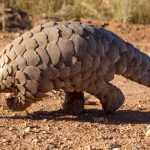
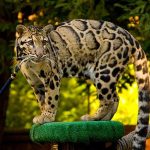


Community conservation programs in Nepal have already allowed nature to become lush again and thus offer its resources, now respected and sustainable. A wonderful life lesson and an example to perpetuate.
 EN
EN  FR
FR
2 commentaires sur "Le panda roux dans son milieu"